
The word “eco” has a problem. It appears on resort websites across Southeast Asia with such frequency, and with so little consistency in what it actually means, that most experienced travellers have learned to read past it. Solar panels on a roof, a recycling bin by the pool, a cardboard straw in your cocktail: these details have become the visual shorthand for sustainable tourism without necessarily representing any meaningful commitment to the environment or the communities that surround a property.
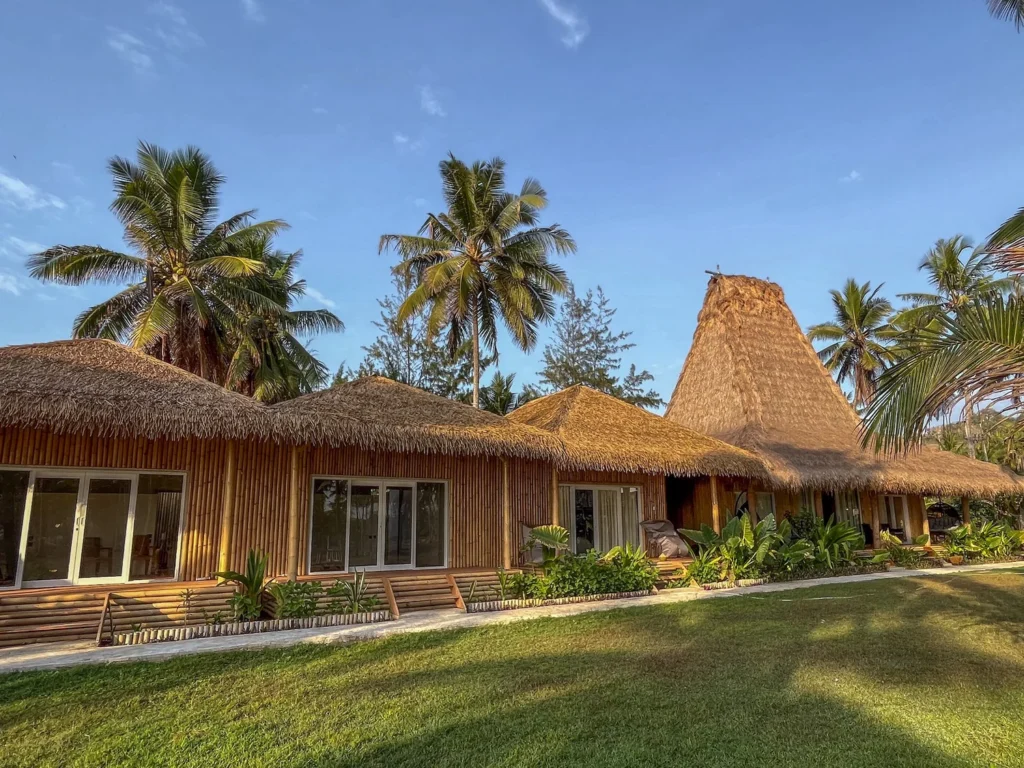
This article is not about greenwashing. It is about what genuine eco travel looks like when it is taken seriously, and it uses Sumba Island in Eastern Indonesia as a specific, real-world example of a destination where the conditions for authentic sustainable tourism still exist and where retreats like Sumba Retreat Kerewe are built around principles that go considerably deeper than surface aesthetics.
If you are the kind of traveller who thinks carefully about where your money goes and what kind of footprint your trips leave behind, this is the guide for you.
The Greenwashing Problem in Travel
Sustainable tourism has become one of the fastest-growing segments of the global travel industry. According to research from multiple booking platforms, a significant and growing percentage of travellers say they actively seek out eco-friendly accommodation. That demand signal has, predictably, generated a supply response in which almost every property of every kind now claims some form of environmental credentials.
The problem is that there is no universal standard for what an “eco retreat” or “sustainable lodge” actually means. Certifications exist in various forms across different countries, but they are inconsistently applied and not universally recognised. The result is a landscape in which the marketing language of eco travel has become almost meaningless without independent investigation.
Genuine eco credentials show up in specific, verifiable ways: the materials used to build the property, the source of the food served, the employment practices with the local community, the energy and water systems in use, the approach to waste, and the level of involvement with conservation efforts in the surrounding environment. These details are harder to fake and more meaningful to evaluate than a logo on a website.
Why Sumba Island Is a Rare Eco Travel Opportunity
Sumba is one of the least-developed islands in the Indonesian archipelago that is still reasonably accessible to international travellers. Located in the Eastern Nusa Tenggara province, it sits east of Sumbawa and west of Flores, with a population of roughly 800,000 people spread across an island of around 11,000 square kilometres.
The island’s relative isolation has meant that it has not experienced the rapid, often chaotic tourism development that reshaped Bali over the past three decades. There are no mass-market resort corridors, no all-inclusive hotel chains dominating the coastline, and no infrastructure built primarily to serve international visitors at the expense of local character. The landscape, the culture, and the communities are largely intact.
This is both an opportunity and a responsibility. Sumba is at an early and formative stage in its tourism development. The choices made now by operators, visitors, and policymakers will shape what the island looks like in 20 years. In destinations that have already gone through rapid, unplanned tourism growth, the costs are visible everywhere: environmental degradation, displacement of local communities, loss of cultural authenticity, and the replacement of genuinely interesting places with a homogenised resort experience that could be anywhere.
Sumba still has the chance to develop differently, and the eco retreats operating on the island today are part of how that different path gets established.
What Genuine Eco Design Looks Like: Local Materials and Traditional Methods
The most visible expression of an eco retreat’s values is the physical structure of the accommodation itself. How a building is constructed, what materials were used, where those materials came from, and who built it tells you a great deal about a property’s actual relationship to its environment.
Bamboo as a building material
Bamboo is one of the most sustainable building materials available in tropical environments. It grows extremely quickly (some species at several centimetres per day), sequesters carbon during its growth cycle, requires no pesticides or synthetic fertilisers, and can be harvested without killing the plant. It is also exceptionally strong relative to its weight, naturally flexible in the kinds of structural stress that earthquakes and wind place on buildings, and beautiful in the way it responds to light and air.
At Sumba Retreat Kerewe, bamboo and other locally sourced materials form the structural and aesthetic core of the bungalows and villas. This is not decorative: using local bamboo means that the supply chain for the building’s construction was short, that the economic benefit of that supply chain stayed within the region, and that the building material will eventually decompose back into the environment without leaving a toxic legacy of concrete and synthetic materials.
Thatched roofing in the Sumbanese tradition
The thatched roofs that characterise the bungalows at Sumba Retreat are not purely aesthetic. They reference the architectural tradition of Sumba, where the tall, steeply pitched thatched roof (called uma) has been central to traditional building for centuries. Local thatching materials, harvested and laid by craftspeople from the surrounding community, provide excellent insulation in the tropical climate: keeping interiors cooler during the day and warmer on the cooler dry-season evenings without requiring air conditioning.
The choice to build in a style rooted in local tradition rather than importing a generic “tropical resort” aesthetic also has cultural meaning. It signals that the retreat sees itself as part of Sumba rather than imposed upon it, and it creates a physical environment that feels specific to this place rather than interchangeable with a resort in Thailand or the Maldives.
Working with nature rather than against it
The site at Kerewe Beach sits within the coconut palms directly on the shore. Rather than clearing the palms to create sea views or to make space for a pool, the retreat is built around the existing landscape. The palms provide shade, reduce wind exposure, and maintain the character of the beach. The buildings are positioned and oriented to take advantage of prevailing breezes for natural ventilation rather than relying on mechanical cooling.
This approach to siting and orientation is one of the most fundamental expressions of eco design. A building that works with its natural environment rather than overriding it consumes less energy, causes less disruption to the local ecosystem, and creates a more genuine sense of place for the people who stay in it.
Community: The Human Side of Sustainable Tourism
Environmental sustainability and community sustainability are not separate categories in genuine eco travel. They are inseparable. A retreat that uses sustainable materials but employs no local staff, sources no local food, and contributes nothing to the economic wellbeing of the surrounding community has missed half of what responsible tourism requires.
Local employment
The staff at Sumba Retreat are from the local community. This is not a minor detail. In many international resort operations across Southeast Asia, management and skilled roles are filled by staff brought in from outside the region, while local employment is limited to the lowest-skilled and lowest-paid positions. The economic benefit of the operation flows primarily outward rather than into the community where the resort is located.
A genuinely community-rooted operation invests in training and developing local staff for all roles, creates pathways for advancement, and pays wages that reflect the cost of living and the value of the work being done. When the economic benefits of tourism stay within the community, they create multiplier effects: local staff spend their income locally, support their families, and become stakeholders in the long-term success and reputation of the retreat rather than transient workers with no connection to the place.
Local food sourcing
The menu at Sumba Retreat reflects the produce available from local farmers and suppliers. Sumba’s agricultural landscape is rich: the island produces rice, vegetables, fruit, and seafood that forms the basis of a genuinely local cuisine. Sourcing food locally reduces the carbon footprint associated with refrigerated transport across the archipelago, keeps money within the local economy, and produces food that is fresher and more connected to the actual place you are visiting.
It also means that what you eat at the retreat reflects where you are. One of the quiet pleasures of travel that is genuinely rooted in a place is that the food tastes like the region. When you eat at Sumba Retreat, you are eating Sumba, not a version of international resort cuisine that has been shipped in and assembled to match assumed visitor preferences.
Supporting cultural continuity
Sumba has one of the most distinctive and intact indigenous cultures in Indonesia. The Marapu belief system, the tradition of ikat weaving, the megalithic tomb architecture, the Pasola festival: these are living cultural practices that exist in the communities surrounding Kerewe Beach. An eco retreat that engages authentically with local culture, directs visitors toward genuine cultural experiences, and avoids the exploitation or commercialisation of traditional practices plays a role in sustaining those practices by demonstrating that they have value to the broader world.
This is a subtle point but an important one. Tourism can be destructive to indigenous culture when it turns living traditions into staged performances for visitors, or when the economic pressures it creates push communities away from traditional practices toward more commercially oriented activities. Tourism can also be protective of indigenous culture when it creates an economic rationale for maintaining traditions and when visitors engage with them respectfully and on the community’s own terms.
Water, Energy and Waste: The Operational Side of Eco Travel
Beyond the design and community dimensions of sustainable tourism, the day-to-day operational decisions of a retreat tell you a great deal about how seriously eco principles are taken.
Water stewardship in a coastal environment
Freshwater is a finite and increasingly precious resource in many parts of Indonesia, and coastal communities face particular pressures around water quality and supply. Responsible retreats in coastal Sumba manage water use carefully, avoid practices that contaminate local groundwater, and are thoughtful about the impact of wastewater on the surrounding reef and marine environment.
The use of reef-safe personal care products is one area where individual visitor choices intersect directly with the health of the marine ecosystem. Guests at eco retreats in Sumba are encouraged to use mineral-based, biodegradable sunscreens and toiletries rather than products containing chemical compounds that are toxic to coral. The reef at Kerewe is healthy, and keeping it that way requires ongoing attention from everyone who uses it.
Plastic reduction
Single-use plastic is one of the most persistent environmental problems across island destinations in Southeast Asia. Beach and reef ecosystems are particularly vulnerable to plastic pollution, which travels through ocean currents and accumulates on coastlines regardless of where it originates. Retreats that take plastic reduction seriously eliminate single-use plastics from their operations, provide guests with reusable alternatives, and participate in or organise beach clean-up efforts.
For visitors, the practical implication is to bring a reusable water bottle and personal care products in reusable containers, and to decline single-use plastic packaging wherever possible during your stay and during travel to and from the island.
Energy footprint
Remote coastal retreats in islands like Sumba often rely on diesel generators for electricity, which is a high-carbon and high-cost energy source. Genuine eco operations work to reduce diesel dependency through solar generation, battery storage, and energy-efficient design that minimises the electricity demand of the buildings in the first place.
The natural ventilation design of the bungalows at Sumba Retreat, which reduces the need for air conditioning, is one example of how architectural choices reduce the energy footprint of the operation from the ground up rather than offsetting a high-energy building with renewable generation after the fact.
Low-Impact Activities: Engaging with Sumba Responsibly
What you do during your stay at an eco retreat matters as much as where you stay. Responsible tourism extends from the accommodation into the activities you choose and the ways you engage with the natural and cultural environment around you.
Surfing and reef stewardship
Surfing is one of the most environmentally benign activities available to visitors in Sumba: it requires no fuel, no infrastructure, and no extractive interaction with the natural environment. But surfers can still contribute to reef health by using reef-safe sunscreen, avoiding standing on or touching the coral, and not surfing in areas identified as ecologically sensitive by local guides or the retreat team.
The reef at Kerewe Point is the foundation of the surf experience there. Protecting it is in everyone’s direct self-interest, not just an abstract environmental principle.
Wildlife observation
Sumba’s waters are home to dolphins, sea turtles, and a range of reef fish species. On land, the island hosts several endemic bird species including the Sumba hornbill and Sumba flycatcher. Observing wildlife responsibly means maintaining distance, not feeding wild animals, not purchasing products made from protected species, and choosing guides and operators who follow established wildlife observation protocols.
Cultural engagement on respectful terms
Visiting traditional Sumbanese villages, attending cultural events, or purchasing locally made ikat textiles are all activities that can support cultural continuity when done respectfully. Ask permission before photographing people or ceremonies. Dress modestly when visiting villages. Buy directly from artisans rather than through intermediaries who do not pass the value back to the maker. Listen more than you direct.
The team at Sumba Retreat can advise on how to engage with the surrounding community in ways that are genuinely respectful and mutually beneficial. That guidance is worth taking seriously.
How to Evaluate Any Eco Retreat Before You Book
Whether you are planning a trip to Sumba or to any other destination that markets itself as eco-friendly, there are practical questions you can ask before booking that will help you distinguish genuine commitment from marketing language.
- What are the buildings made from, and where did those materials come from? Local, natural, and low-impact materials sourced regionally are a positive sign. Imported concrete and synthetic materials suggest the eco label is cosmetic.
- Who are the staff, and where are they from? A genuinely community-rooted operation will be able to tell you clearly about its local employment practices.
- Where does the food come from? Local sourcing is verifiable. If the menu is dominated by imported ingredients that could easily be substituted with local equivalents, the commitment to community economic impact is probably limited.
- What is the plastic policy? Single-use plastic free is achievable for any operation that takes it seriously. Partial measures suggest limited commitment.
- What is the energy source? Solar with battery storage is better than diesel. The presence of air conditioning in every room of a thatched bungalow is a design contradiction worth noting.
- Is there any involvement in local conservation or community development beyond the property itself? The best eco operators go beyond their own footprint and contribute to broader environmental or social initiatives in the region.
A retreat that answers these questions clearly, specifically, and without resorting to vague language about “caring for the environment” is worth taking seriously. One that deflects or responds with marketing generalities probably has less to show than its branding suggests.
The Bigger Picture: What Your Travel Choices Actually Do
Individual travel choices matter more than the cynical view of tourism allows. Where you stay sends a signal through the market about what kinds of accommodation people are willing to pay for. When eco retreats that do the right thing attract guests and grow, they demonstrate to other operators that sustainable practice is commercially viable. When travellers bypass greenwashed properties in favour of genuinely responsible ones, the market incentive for superficial eco claims weakens.
Sumba is a place where this dynamic is still being established. The island’s tourism future has not been written yet. The retreats, lodges, and operators building there now, and the travellers who choose them over the alternatives, are collectively deciding what Sumba’s version of tourism will look like for the next generation.
Staying at a small, locally built, community-rooted eco retreat on Kerewe Beach is a choice with real consequences. It contributes economically to the surrounding community, it supports a model of tourism development that preserves what makes Sumba worth visiting, and it gives you access to one of the genuinely beautiful and uncrowded corners of Indonesia at a moment in time before the crowds arrive.
That is a good deal for everyone involved.
Plan Your Eco Retreat Stay in Sumba
Sumba Retreat Kerewe is located directly on Kerewe Beach in West Sumba, built from local bamboo and natural materials, staffed by the surrounding community, and positioned on one of the best uncrowded surf breaks in Eastern Indonesia.
If you are ready to experience what genuine eco travel looks like in practice, rather than in a marketing brochure, check availability and book your stay here. Transfers from Tambolaka Airport can be arranged directly with the retreat team.
For enquiries, contact the team on WhatsApp at +62 853 3923 4685 or email info@sumbaretreat.com. They are happy to answer questions about the retreat’s sustainability practices, local activities, and what to expect on arrival.
For more on exploring the island beyond the beach, read the full Sumba Island Travel Guide. To learn about the surf at Kerewe, visit the Kerewe Beach Surf Guide.
Sumba Retreat Kerewe is an eco surf retreat located in the coconut palms on Kerewe Beach, Lamboya district, West Sumba, Indonesia.