
Surfing in Sumba, Indonesia is one of those experiences that turns first-timers into converts and converts into regulars who keep coming back every dry season. While the rest of the world queues up at Uluwatu and Canggu, surfers who have done their homework point their boards toward a different island. One with empty lineups, dramatic savanna landscapes, and waves that break in ways that make you want to describe them to everyone you know.
This is the complete guide to surfing in Sumba, Indonesia. Whether you are planning your first trip, returning for another season, or somewhere in between, this page covers every practical and strategic thing you need to know: the best surf breaks, the optimal swell windows, the right skill levels for each spot, how to get there, and why staying at an eco surf retreat right on the beach changes the entire experience.
Why Sumba Is One of the Best Surf Destinations in Indonesia
Indonesia is the most celebrated surf nation on earth. It has more quality reef breaks, beach breaks and point breaks than almost anywhere else, and it has been drawing surfers since the 1960s when the first wave riders arrived in Bali with boards strapped to motorbikes.
But popularity has a cost. Bali’s most famous surf spots are now so crowded that locals use the term “wave pool” without irony. Lombok is following the same path. The Mentawais require a liveaboard budget and serious advanced skills. And the Nias region is extraordinary, but logistically demanding.
Sumba sits in a different category. Located in the Eastern Indonesian Archipelago, roughly 200 kilometres east of Sumbawa and 300 kilometres west of Flores, Sumba is still genuinely off the beaten track. International visitor numbers remain low compared to its western neighbours. Infrastructure is improving, but the island has not been over-developed. The result is a surf destination that feels rare: good waves, no crowds, and a place that makes you feel like you discovered something.
Geographically, Sumba benefits from direct exposure to the Southern Ocean swell that wraps through the Indian Ocean. The south and south-west coastlines receive consistent groundswell during the dry season, and the underwater topography creates point breaks and reef breaks that produce long, lined-up waves rather than the short, punchy shore breaks that attract beginners at beach resorts.
The island is also extraordinarily beautiful in a way that is distinct from the lush tropical scenery of Bali. Rolling golden savannas, dramatic limestone cliffs, ancient megalithic tombs, and white-sand beaches that give way to turquoise water make the non-surfing hours just as memorable as the time in the water.
The Best Surf Spots in Sumba, Indonesia
Kerewe Point (Pantai Kerewei)
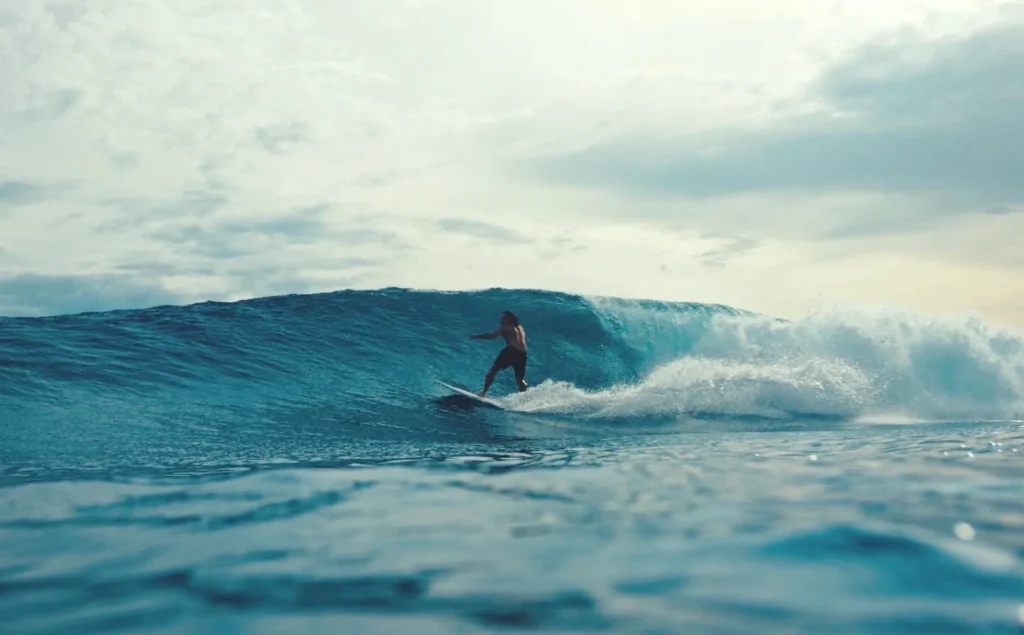
Kerewe Point is the wave that Sumba Retreat was built around, and for good reason. Located on the south-west coast in West Sumba Regency, Kerewe Beach hosts a right-hand point break that delivers long, well-shaped rides across a coral reef bottom.
The wave breaks in a predictable left-to-right direction (the surfer faces the wave and rides right), which gives regular-footed surfers an immediate advantage. The point setup means the wave peels consistently down the line rather than closing out suddenly, offering rides of 50 to 100 metres on solid swell days. On bigger swells it walls up nicely in the mid-section, creating opportunities for turns and the occasional barrel.
Kerewe is best described as an intermediate wave on medium swell. On smaller days it becomes accessible to confident beginners who are past the pop-up stage and comfortable paddling through a mild channel. On larger south swells it steps up considerably and demands respect, particularly for surfers unfamiliar with reef entries and exits.
The reef is predominantly shallow coral, so reef boots are strongly recommended and a basic understanding of reef etiquette (knowing where the channel is, not falling on the reef, and reading the tide before paddling out) will make a significant difference to your enjoyment and safety.
One of the most significant advantages of surfing Kerewe is that Sumba Retreat sits directly on the beach. You can watch the surf from your bungalow veranda, paddle out within minutes of waking up, and come back in when you are ready. There is no commute, no checking out of town, and no van ride. That direct access is something most surf destinations in Indonesia simply cannot offer.
Marosi Beach
About 30 kilometres north-west of Kerewe along the south-west coast, Marosi is a longer stretch of beach with multiple peaks and a right-hand reef break at its southern end. It is more exposed than Kerewe and catches swell from a slightly different angle, meaning that on days when Kerewe is marginal, Marosi can be firing.
The beach break section of Marosi is good for beginners and intermediate surfers. It is less technical than the reef breaks further along the coast, and the waves tend to be gentler on mid-tide. The reef section suits advanced surfers and is best surfed on the right swell direction and a rising tide.
Marosi is also a genuinely beautiful beach with a local fishing community, and it is rarely crowded. A visit works well as a day trip from Sumba Retreat.
Nihiwatu (Nihi Sumba)
Nihiwatu is the wave that put Sumba on the international surf map. Located on the south-west coast and fronting the ultra-luxury Nihi Sumba Resort, Nihiwatu is a world-class left-hand reef break that produces long, powerful and often perfect barrels on the right swell.
It is also, famously, protected. Nihi Sumba limits the number of surfers in the water per session through a surf charter system, and access to the wave is tightly controlled by the resort. Non-guests who want to surf Nihiwatu need to purchase a surf charter, which is priced accordingly.
For surfers with advanced skills and the budget to match, it is worth experiencing at least once. The wave quality is genuinely exceptional — long, fast, and hollow on the right swell direction. The controlled access means you will never compete with more than a handful of surfers in the lineup.
For most visiting surfers, however, Kerewe Point offers comparable satisfaction without the access restrictions and at a fraction of the cost.
Tarimbang
On the south-east coast of Sumba, Tarimbang is a long right-hand point break that wraps around a headland into a sheltered bay. It is one of the longer rides in Sumba when the swell is working, with sections that peel for several hundred metres on optimal conditions.
Getting to Tarimbang from the west coast adds a day to any trip (roads in Sumba are improving but inland routes can be slow), but for surfers on a two-week visit, it is worth the journey. The local village near the break is welcoming and basic accommodation is available for those who want to stay on the east side.
Understanding Sumba’s Surf Seasons
The Main Surf Season: April to October
The core surf season in Sumba runs from approximately April through October, aligned with the Indonesian dry season. During these months, south and south-west groundswell from the Southern Ocean travels north into Sumba’s coastline with regularity and consistency.
May, June, July and August are typically the most consistent months for swell. Groundswell periods of 12 to 18 seconds arrive at regular intervals, and when they line up with light offshore winds in the early mornings, the conditions at Kerewe and Marosi can be genuinely outstanding. July and August tend to produce the largest and most powerful swells, so surfers who prefer size and punch should target these months.
April and September are excellent shoulder months. Swell is generally smaller and more manageable, winds are light, and visitor numbers drop compared to the peak July/August window. For intermediate surfers who want quality waves without the intimidation factor of large swells, April and September are arguably the best times to visit.
October sits at the edge of the season. Swell becomes less frequent, some weeks passing without meaningful waves, but good swells still arrive and crowds (which were never large to begin with) are minimal.
Wind Patterns at Kerewe Beach
Wind direction plays a critical role in wave quality. At Kerewe, the ideal wind is from the north-east to east, which blows offshore (away from shore, into the face of the wave) in the mornings. Offshore wind grooms the surface of the wave and holds it open longer, producing cleaner, more rideable conditions.
By mid-morning to midday, the wind typically shifts or strengthens, and conditions can become onshore or cross-shore, making the surf choppier. The classic strategy at Kerewe is to be in the water early, ideally at or just after sunrise, and to use the afternoon for exploration, rest, or non-surf activities.
The Wet Season: November to March
The wet season brings the Indonesian monsoon to Sumba. Swell drops significantly, winds become predominantly onshore (south to south-west), and rain is frequent. Surf quality during the wet season is inconsistent and generally poor for the breaks on the south and south-west coast.
However, the north coast of Sumba faces a different direction and receives north-west swell during the wet season. Surfers with local knowledge and an adventurous spirit occasionally find fun waves on the north coast between November and March, though this requires significant local research and transport.
For most visiting surfers, the wet season is not the right time to plan a surf-focused trip to Sumba.
Which Skill Level Is Right for Sumba?
Beginners
Sumba is not a beginner-first destination in the way that Canggu or Kuta in Bali are. The main surf spots involve reef bottoms, which require a higher baseline of safety awareness than the sandy beach breaks that most beginners start on.
That said, on smaller swell days at Kerewe, confident beginners who have already passed the initial learning stage (those who can paddle, pop up consistently, and have basic understanding of wave reading) will find manageable conditions. The channel at Kerewe Point allows entry and exit without paddling through the break, which reduces the physical difficulty for less experienced surfers.
If you are a beginner planning your first or second surf trip, the shoulder months of April and September offer the best combination of smaller, friendlier waves and warmer weather. Surfing with someone who knows the break, even informally, makes a significant difference.
Intermediate Surfers
Sumba is at its absolute best for surfers in the intermediate range. Those who are comfortable on reef, can read a lineup, and can handle 1.5 to 2.5 metre surf will have an exceptional time at Kerewe Point during the main season. The wave rewards surfers who can commit to a turn and project down the line rather than simply riding straight.
The progression opportunity at Kerewe is significant. With a wave breaking consistently in front of your accommodation over multiple days or weeks, the repetition and familiarity with a specific break that is so important for developing surfers becomes naturally available. Many guests at Sumba Retreat report meaningful skill improvement over a 7 to 10 day stay simply because they are surfing the same wave every day.
Advanced Surfers
For advanced and expert surfers, the bigger swells of July and August at Kerewe Point deliver genuine power and consequences. When south swells push into the 2 to 3 metre range, the wave becomes fast and hollow in places and requires precise positioning in the lineup.
Nihiwatu, accessed via surf charter, adds a world-class left-hand experience to the advanced surfer’s Sumba itinerary. The combination of Kerewe in the mornings and Nihiwatu on selected days creates an extraordinary surf programme for those at this level.
Surfboard Selection for Sumba
Choosing the right board for Sumba is largely a question of the swell size you are expecting and your personal surfing style.
For the core season at Kerewe Point, a shortboard between 6’0″ and 6’8″ suits intermediate to advanced surfers on medium swells. The wave has enough face to accommodate rail surfing and is not so hollow that you need a particularly narrow, rockered board. A fish or mid-length (around 7’0″ to 8’0″) is an excellent choice for smaller days or for surfers who want to catch more waves per session.
Longboards work on smaller, weaker swells and provide a relaxed, stylish approach to Kerewe when the wave is gentle. They are not well-suited to the larger and faster swell conditions.
If you are travelling light and can only bring one board, a versatile shortboard or mid-length hybrid is the most practical choice. Board rental options are available near Kerewe, though the selection is limited compared to Bali. Bringing your own board is always the better option if your luggage situation allows it.
Reef Safety and Local Surf Etiquette
Surfing over coral reef demands a different approach to safety than beach breaks. Understanding a few key principles before paddling out at any of Sumba’s reef breaks will make your experience safer and more enjoyable.
Entry and exit through the channel. Every reef break has a channel, usually a deeper area where the wave does not break, that allows surfers to paddle out without fighting the whitewater. Identify the channel before entering the water and use it consistently.
Booties on the reef. Reef cuts are painful, prone to infection in tropical environments, and can end a surf trip prematurely. A pair of 2mm reef booties is one of the most worthwhile items you can pack for Sumba.
Tide awareness. Shallow reefs become significantly more hazardous at low tide. Know the tide times before paddling out and be aware that conditions at Kerewe are generally better and safer on a mid to high tide.
Give way in the lineup. The surfer closest to the peak (the breaking part of the wave) has priority. Wait your turn, communicate clearly with other surfers, and avoid paddling around people to gain priority. With small lineups, this is rarely a problem in Sumba, but the principle remains important.
Wipe out safely. When falling, cover your head with your arms and fall flat rather than feet-first to avoid hitting the reef. If you are surfing hollow sections, a helmet is worth considering, particularly for less experienced surfers at breaks with shallow sections.
Why Staying at a Surf Retreat Changes Everything
Surfing in Sumba is not just about the waves. It is about the full context in which the waves exist.
At Sumba Retreat Kerewe, the accommodation is built directly on the beach. Bungalows and villas are constructed in traditional Sumbanese style with thatched roofs and open-air design, using local bamboo and eco-friendly materials that connect the space to its environment rather than imposing on it.
The proximity to the surf is the most practical advantage. There is no question of whether it is worth making the drive to check the waves. You walk out of your bungalow, look at the water, and make your decision. On the days when the surf is small and you choose to explore instead, you do so with full information. On the days when the waves are running perfectly, you are in the water before breakfast.
Beyond the practical, staying at a surf retreat creates a different social experience than staying at a generic hotel. You share the lineup with your fellow guests. You compare notes over breakfast on which part of the tide was best. You meet people who are there for the same reasons you are.
The eco principles at Sumba Retreat also matter in a destination like Sumba, where tourism is still finding its shape. The use of local materials, support for the surrounding Sumbanese community, and low-impact approach to hospitality ensure that your visit contributes positively to the island rather than simply consuming it.
Getting to Sumba for a Surf Trip
The gateway to Sumba is Tambolaka Airport (TMC) in West Sumba. To reach Tambolaka, fly first to Bali’s Ngurah Rai International Airport (DPS) and connect on one of the domestic carriers that service the route: Garuda Indonesia, Wings Air, and TransNusa all operate flights on this corridor. Flight time from Bali to Tambolaka is approximately one hour and fifteen minutes.
From Tambolaka Airport, Sumba Retreat Kerewe is approximately 70 kilometres to the south. The drive takes between 1.5 and 2.5 hours depending on road conditions. Private transfers can be arranged directly with the retreat. There is no reliable public transport for this route, so a private transfer or rented car with driver is the standard approach.
Booking flights from Bali to Sumba at least three to four weeks in advance is recommended during peak surf season (June, July, August). Seats on the Tambolaka routes fill quickly during these months.
For more detailed logistics including flight booking tips and transfer options, see the full Getting to Sumba guide.
Planning Your Surf Trip to Sumba: Practical Checklist
A few final practical notes before you book:
Trip length. A minimum of 7 days is recommended for a surf-focused trip to Sumba. This gives you enough time to settle into the rhythm of the surf, account for a rest day or two, and do at least one non-surf excursion. Ten to fourteen days is ideal and allows you to experience multiple swell events.
Budget. Sumba is not Bali in terms of the volume of budget options available. Good accommodation starts at a mid-range price point. Factor in a daily food and drink budget at the retreat, any surf charters to Nihiwatu if you plan to go, and incidentals for day trips and transport.
Travel insurance. Always. Make sure your policy covers surfing (specifically reef surfing) and includes medical evacuation coverage. The nearest hospital with meaningful facilities is in Waikabubak, and serious injuries would require evacuation to Bali or Kupang.
Health preparation. Bring reef-safe sunscreen (important in Sumba’s protected marine environment), a well-stocked first aid kit that includes antiseptic appropriate for reef cuts, oral rehydration sachets, and any personal medications. The sun at this latitude is intense.
Connectivity. Kerewe Beach is remote by design. Mobile data connectivity varies and is not as reliable as in Bali. If your work or travel style requires consistent internet access, discuss connectivity options with Sumba Retreat before booking. The remoteness is, for most guests, a feature rather than a problem.
Final Thoughts: Surfing Sumba Indonesia
Surfing in Sumba, Indonesia rewards the travellers who are willing to go slightly further, think slightly differently, and trade crowds for quality. The waves at Kerewe Point are genuinely excellent. The island around those waves is extraordinary. And the experience of surfing a consistent point break in front of your eco bungalow on an island that most people have not discovered yet is the kind of thing that travel memories are made of.
If you have been surfing Indonesia for years and feel like you have seen everything, Sumba will surprise you. If you are planning your first serious surf trip to Indonesia and want to start somewhere that will not disappoint, Sumba is ready.
Check availability and book your stay at Sumba Retreat Kerewe
Sumba Retreat Kerewe is an eco surf retreat located directly on Kerewe Beach, West Sumba, Indonesia. For surf conditions, accommodation enquiries and transfer arrangements, contact us on WhatsApp at +62 853 3923 4685 or email info@sumbaretreat.com.